Leadership Training Courses in the USA: Equipping Leaders for Today’s Challenges
Dr Karen Walker • February 21, 2026
Leadership training courses in the United States have become essential for organizations seeking sustainable growth and strong workplace cultures. As businesses navigate technological disruption, hybrid work environments, and evolving employee expectations, leadership capability is a decisive competitive advantage. Today’s leadership training courses are structured to build not only management skills, but also emotional intelligence, adaptability, and ethical decision-making.
Modern leadership training in the USA focuses on practical application. Courses typically combine instructor-led sessions, peer collaboration, case studies, and real-world simulations. Participants are encouraged to examine their leadership style, identify strengths and blind spots, and practice new approaches in a structured environment. This experiential model ensures that learning translates into measurable workplace performance.
Modern leadership training in the USA focuses on practical application. Courses typically combine instructor-led sessions, peer collaboration, case studies, and real-world simulations. Participants are encouraged to examine their leadership style, identify strengths and blind spots, and practice new approaches in a structured environment. This experiential model ensures that learning translates into measurable workplace performance.
According to Dr. Karen Walker, leadership development begins with self-awareness. She explains, “Leadership starts with understanding who you are and how your actions impact others.” This perspective highlights why many U.S. leadership training courses integrate assessment tools such as 360-degree feedback and personality evaluations. These insights allow leaders to refine their communication, build trust, and strengthen team engagement.
Core Competencies Addressed in Leadership Courses
Leadership training courses in the USA commonly focus on essential competencies such as strategic thinking, conflict resolution, coaching skills, and change management. Effective programs emphasize clarity in communication and the ability to align teams around a shared vision.
Dr. Walker reinforces the importance of action-oriented learning, stating, “Leadership is not learned in theory alone. It is developed through intentional practice and reflection.” As a result, many courses incorporate group exercises and scenario-based learning to simulate workplace challenges. This hands-on approach enhances confidence and decision-making under pressure.
Dr. Walker reinforces the importance of action-oriented learning, stating, “Leadership is not learned in theory alone. It is developed through intentional practice and reflection.” As a result, many courses incorporate group exercises and scenario-based learning to simulate workplace challenges. This hands-on approach enhances confidence and decision-making under pressure.
Emphasis on Inclusive and Ethical Leadership
A defining characteristic of leadership training courses in the USA is their emphasis on inclusive leadership and ethical responsibility. As organizations become increasingly diverse, leaders must foster environments where employees feel valued and heard. Training modules often address unconscious bias, cultural awareness, and psychological safety.
Dr. Walker notes, “Inclusive leadership is about creating spaces where every individual feels respected and empowered to contribute.” By embedding inclusion into leadership training, organizations cultivate stronger collaboration and innovation. Ethical leadership components further ensure that decision-making aligns with organizational values and long-term sustainability.
Continuous Development and Coaching
Leadership training courses are no longer one-time events. Many organizations in the USA integrate follow-up coaching sessions, peer accountability groups, and ongoing skill-building workshops. This continuous development model ensures that leaders remain agile in an evolving business landscape.
Dr. Walker emphasizes lifelong growth: “The most effective leaders are those who commit to learning every day.” Continuous training reinforces resilience, adaptability, and long-term leadership effectiveness.
Leadership training courses in the USA play a vital role in shaping leaders who can inspire teams, drive results, and uphold strong organizational values. By focusing on practical skills, inclusive leadership, and continuous development, these programs prepare individuals to lead with confidence and clarity.
As Dr. Karen Walker affirms, “Great leaders are developed through courage, consistency, and a commitment to growth.” Organizations that invest in comprehensive leadership training today are building the foundation for enduring success tomorrow.
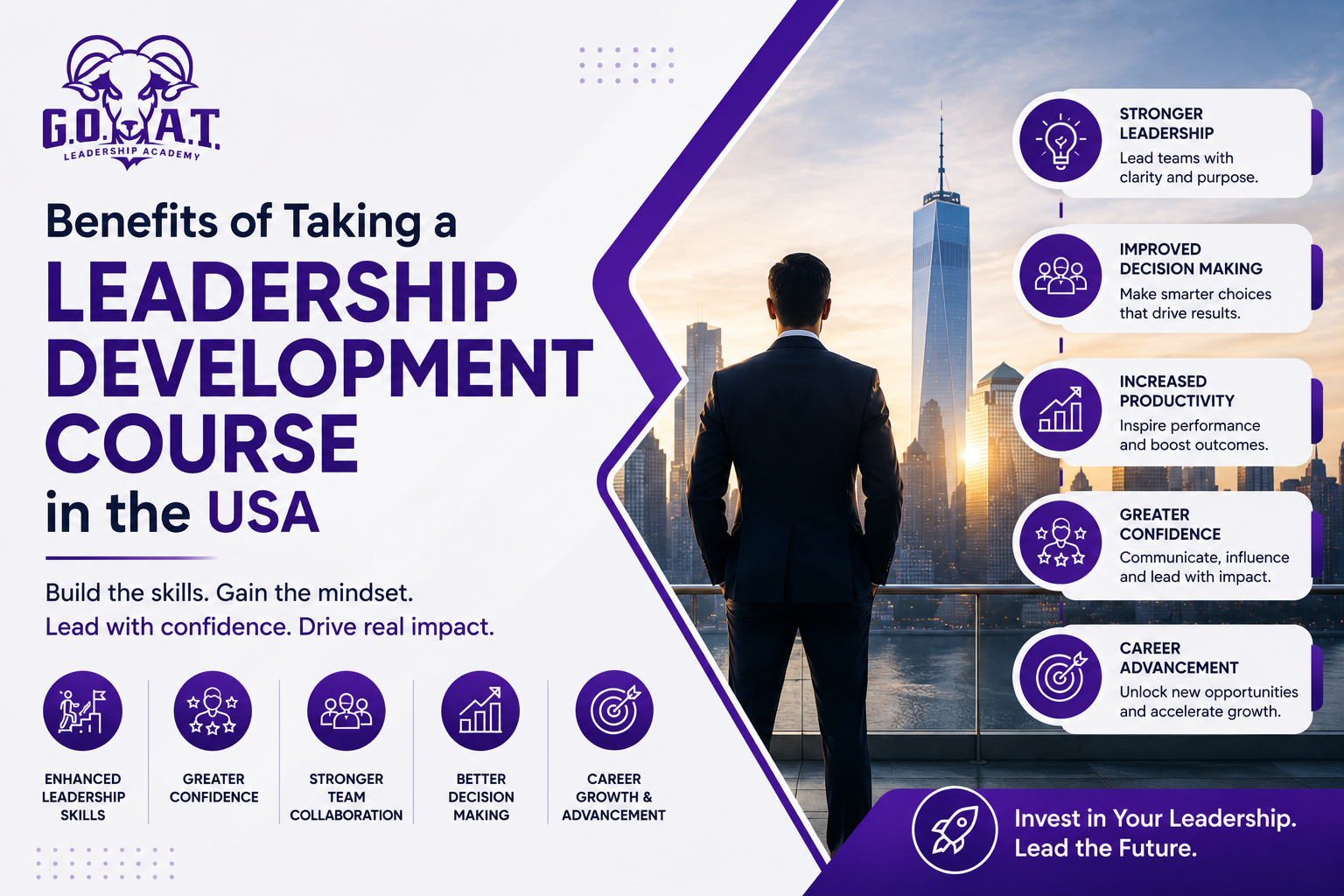
Explore the benefits of taking a leadership development course in the USA to build confidence, improve decision-making, and grow your career.

Discover how leadership training programs in the USA are reshaping workplaces through stronger teams, smarter decisions, and growth.