Leadership Training Courses in USA: Shaping the Next Generation of Effective Leaders
Dr Karen Walker • December 17, 2025
Leadership training courses in USA have become essential for organizations aiming to build strong, agile, and future-ready teams. As industries evolve and workplaces grow more complex, the demand for skilled leaders who can navigate uncertainty, inspire diverse groups, and drive sustainable results has never been higher. These courses are designed to cultivate core leadership competencies and help professionals at all levels unlock their full potential.
Leadership training courses across the country typically focus on strategic thinking, communication, emotional intelligence, conflict management, and decision-making. Today’s leaders are expected to do more than manage workflows; they must motivate teams, champion innovation, and uphold values that strengthen organizational culture. This shift has pushed leadership training providers to create more experiential, transformative programs rather than traditional lecture-based sessions.
Dr Karen Walker, Founder & CEO of G.O.A.T. Leadership Academy, emphasizes that leadership training must be deeply practical. “A leadership course should change how people lead on Monday morning,” she says. “If new behaviours do not show up in real work, then the training was only information — not transformation.” This perspective highlights why the most effective leadership training courses in USA integrate coaching, real-world assignments, and peer learning to reinforce behaviour change.
Many organizations now invest in tiered leadership learning pathways, offering separate tracks for emerging leaders, mid-level managers, and senior executives. These tailored programs allow participants to focus on the competencies most relevant to their career stage. For example, emerging leaders may focus on personal accountability and communication, while executives might concentrate on strategic foresight, organizational culture, and change leadership.
Inclusivity is another defining element of modern leadership training courses. Organizations recognize that strong leadership must reflect diverse voices and perspectives. Programs increasingly include modules on inclusive leadership, unconscious bias, and cultural intelligence. Dr Walker notes, “Inclusive leadership is not an optional skill — it is the leadership standard for the modern workplace. When leaders learn to value every voice, performance improves at every level.”
Technology has also transformed leadership training delivery in the USA. Virtual classrooms, AI-driven assessments, micro-learning modules, and digital coaching tools offer accessible and flexible learning experiences. Hybrid programs allow participants to learn at their own pace while still benefiting from live interaction and mentorship. These innovations have expanded access to high-quality leadership development opportunities across states and industries.
Measurement is critical for ensuring the effectiveness of leadership training courses. Organizations increasingly track participant progress through 360-degree feedback, leadership assessments, engagement surveys, and performance metrics. This data-driven approach ensures that training investments lead to measurable growth. As Dr Walker puts it, “Leadership development
should be accountable. If we expect leaders to be responsible for outcomes, our programs must also demonstrate their impact.”
In summary, leadership training courses in USA
are evolving to meet the demands of a dynamic workforce and rapidly changing business landscape. They focus on practical application, inclusivity, personalization, and measurable results. Organizations that prioritize leadership development gain stronger cultures, higher-performing teams, and a competitive advantage. With the right training, individuals do not just learn to lead — they learn to lead with purpose, clarity, and resilience.
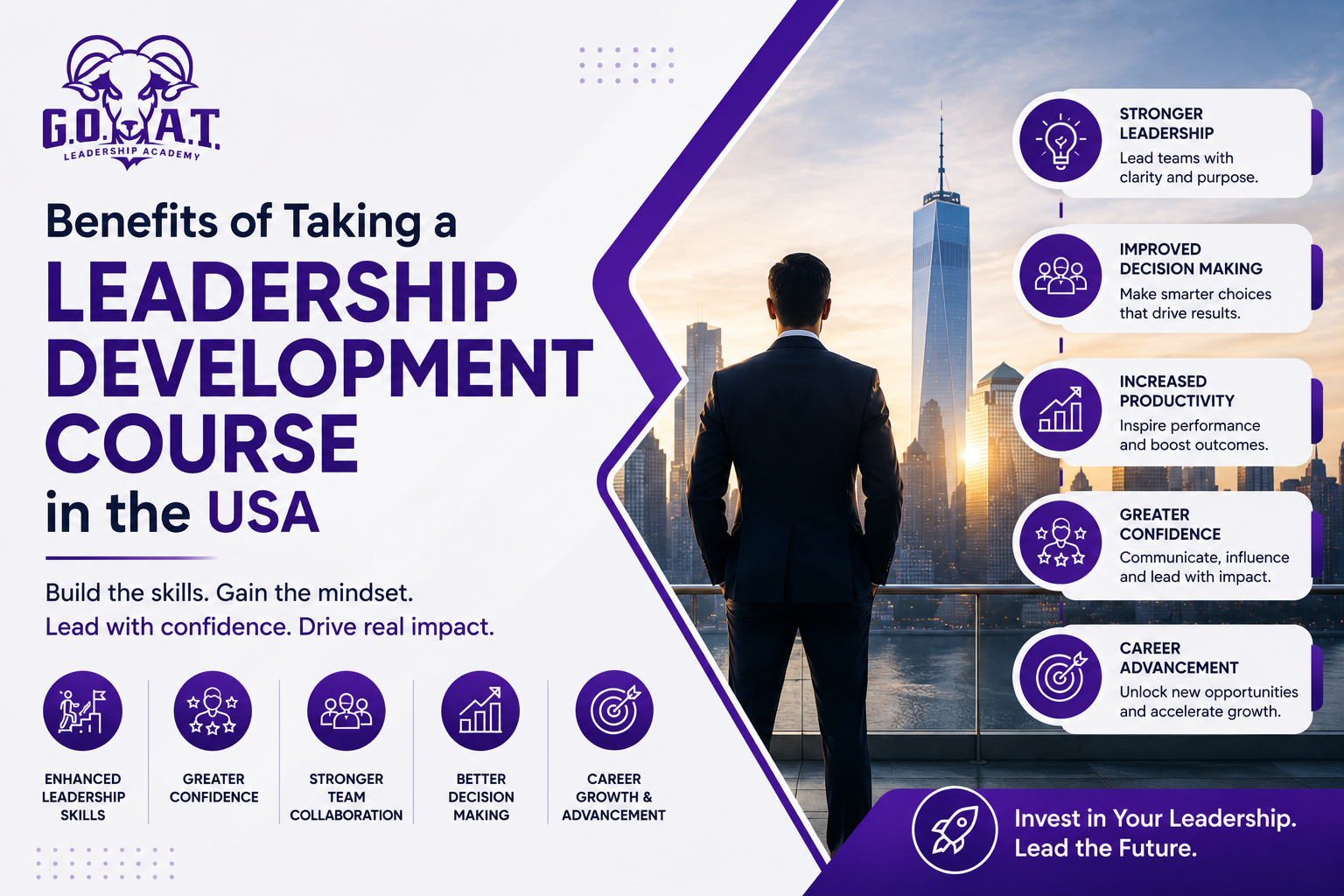
Explore the benefits of taking a leadership development course in the USA to build confidence, improve decision-making, and grow your career.
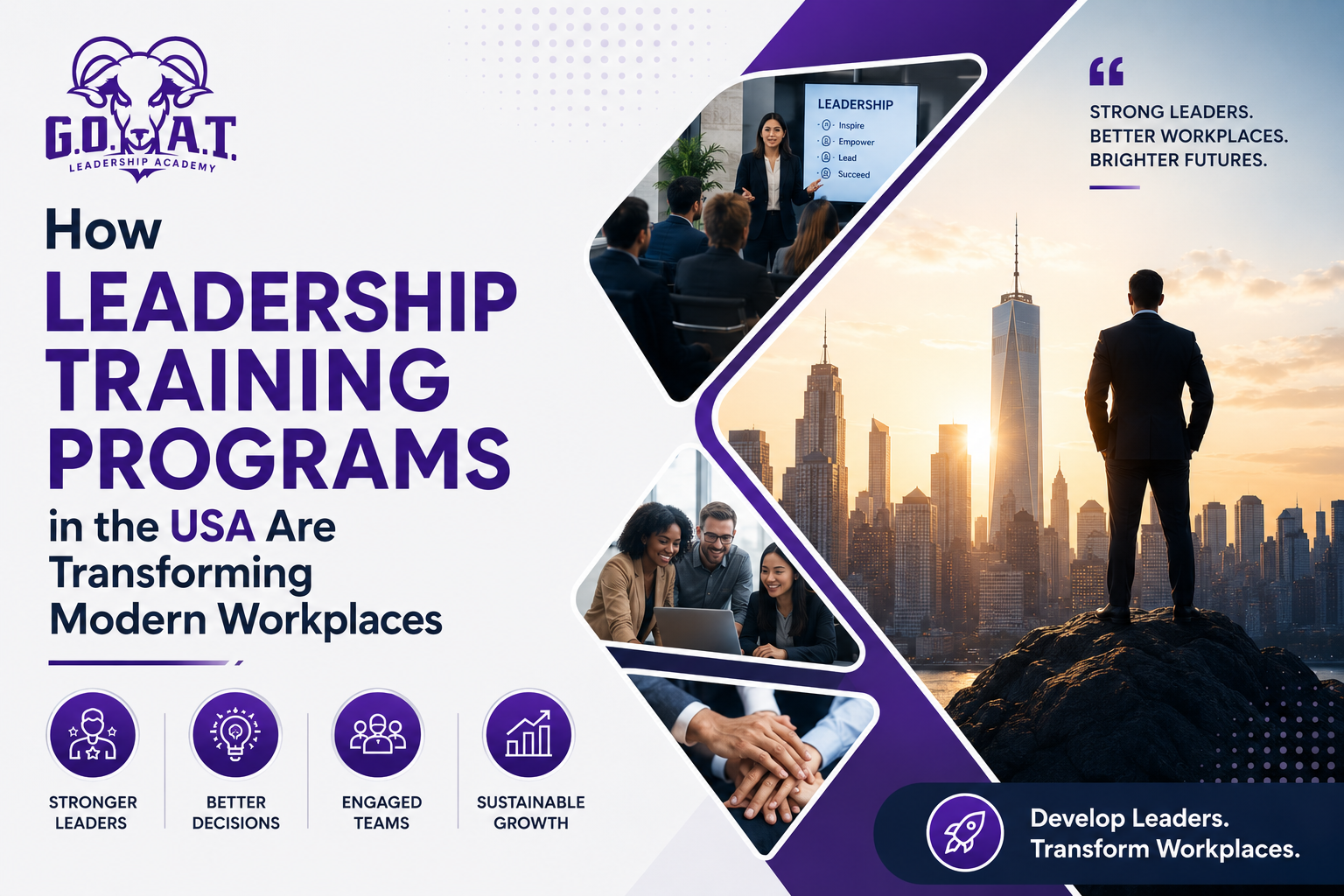
Discover how leadership training programs in the USA are reshaping workplaces through stronger teams, smarter decisions, and growth.