Leadership Training in the USA: Building Strong, Purpose-Driven Leaders
Dr Karen Walker • January 21, 2026
Leadership training in the United States
has become a critical investment for organizations aiming to remain competitive, resilient, and people-focused. As workplaces evolve due to technological advancement, remote work, and increased diversity, leadership expectations have expanded beyond operational management. Today, effective leadership training in the USA focuses on developing self-aware, adaptable, and values-driven leaders who can inspire teams while delivering sustainable results.
According to Dr. Karen Walker, leadership is not defined by hierarchy, but by impact. She explains, “Leadership is not about position or power. It is about influence, authenticity, and the ability to help others reach their potential.” This perspective reflects the core philosophy behind modern leadership training initiatives across the country.
The Purpose of Leadership Training
Leadership training in the USA
is designed to equip individuals with the skills required to lead effectively in complex environments. Programs commonly address communication, emotional intelligence, strategic thinking, decision-making, and conflict resolution. Rather than focusing solely on theory, most training emphasizes real-world application through case studies, role-playing exercises, and group problem-solving.
Dr. Walker reinforces the importance of applied learning, stating, “People do not grow into leaders by memorizing concepts. They grow by practicing leadership behaviors every day.” This practical focus ensures that training translates directly into improved performance and stronger team dynamics.
Emphasis on Inclusive and Ethical Leadership
A defining characteristic of leadership training in the USA
is its emphasis on inclusion and ethical leadership. With increasingly diverse teams and global operations, leaders must be equipped to lead with empathy, cultural awareness, and integrity. Training programs now commonly include content on inclusive leadership, unconscious bias, and psychological safety.
As Dr. Walker notes, “Inclusive leadership is about creating environments where people feel respected, valued, and empowered to contribute.” Organizations that prioritize inclusive leadership training often see higher employee engagement, improved collaboration, and stronger retention.
Continuous Learning and Personal Development
Leadership training in the USA is no longer viewed as a one-time event. Many organizations adopt a continuous development approach that includes coaching, peer learning groups, and structured feedback tools such as 360-degree assessments. This ongoing process helps leaders build self-awareness and refine their leadership style over time.
Dr. Walker emphasizes this long-term mindset: “Leadership development is a lifelong journey. The moment leaders stop learning is the moment they stop growing.” Continuous leadership training supports adaptability and prepares leaders to respond effectively to change.
Investing in Leadership for Long-Term Success
Leadership training in the USA
is no longer viewed as a one-time event. Many organizations adopt a continuous development approach that includes coaching, peer learning groups, and structured feedback tools such as 360-degree assessments. This ongoing process helps leaders build self-awareness and refine their leadership style over time.
Dr. Walker emphasizes this long-term mindset: “Leadership development is a lifelong journey. The moment leaders stop learning is the moment they stop growing.” Continuous leadership training supports adaptability and prepares leaders to respond effectively to change.
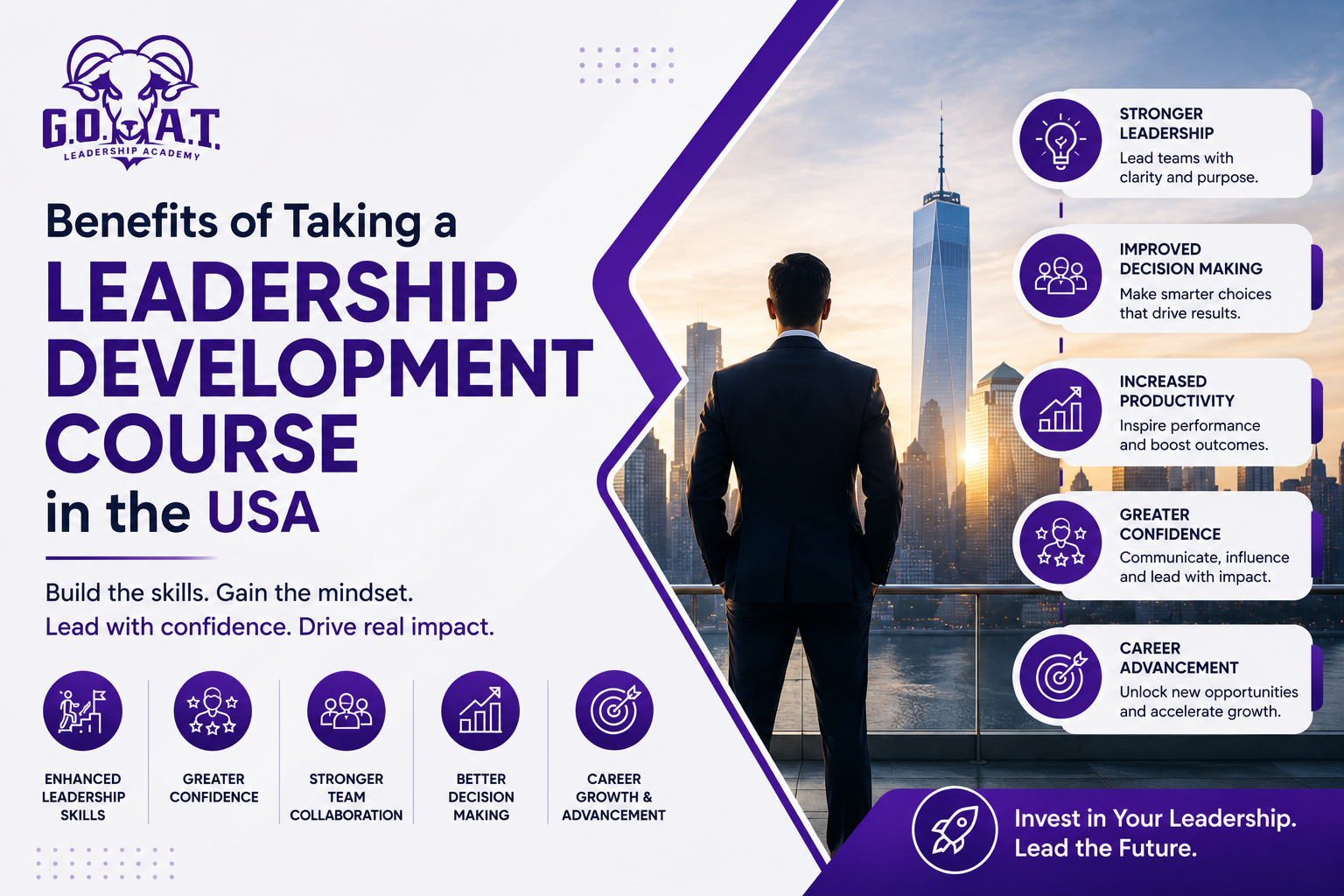
Explore the benefits of taking a leadership development course in the USA to build confidence, improve decision-making, and grow your career.
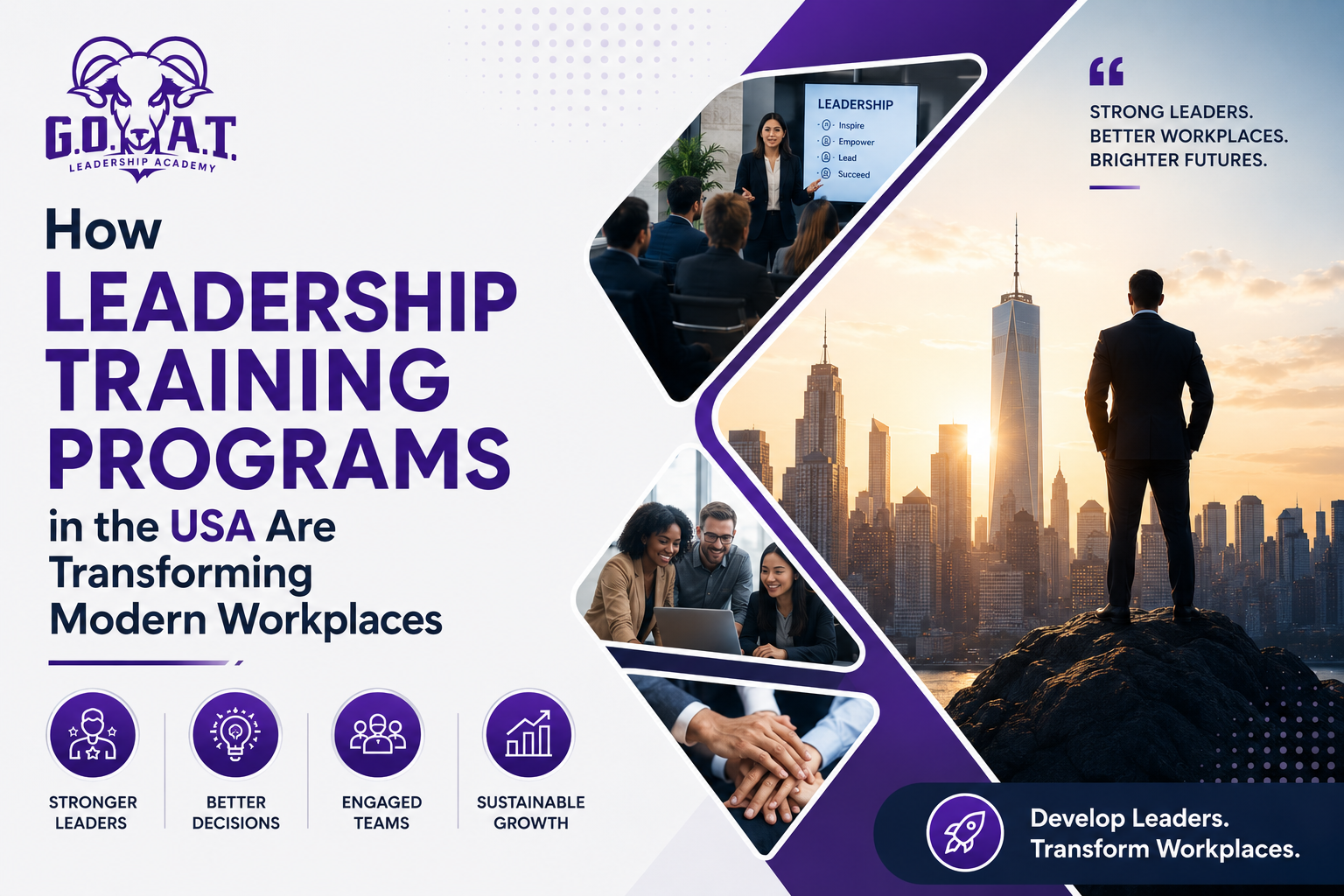
Discover how leadership training programs in the USA are reshaping workplaces through stronger teams, smarter decisions, and growth.