Leadership Training Courses in the USA: Developing Confident and Capable Leaders
Dr Karen Walker • January 20, 2026
Introduction: The Growing Demand for Leadership Training
Leadership training courses in the United States
have become essential for organizations seeking sustainable growth and strong workplace cultures. As businesses face rapid technological change, evolving employee expectations, and increased competition, the need for well-trained leaders has never been greater. Leadership training today is not limited to senior executives; it extends to emerging leaders, middle managers, and high-potential professionals across industries.
According to Dr. Karen Walker, leadership is developed through intentional learning and practice. She states, “Leadership is not about position or authority. It is about influence, integrity, and the ability to bring out the best in others.” This philosophy strongly aligns with how leadership training courses are structured in the USA.
Key Focus Areas of Leadership Training Courses
Modern leadership training courses in the USA
are designed to build both technical and human-centered capabilities. Common focus areas include communication skills, emotional intelligence, strategic thinking, decision-making, and conflict resolution. Rather than relying solely on theory, these courses emphasize practical application through case studies, role-playing, and real-world problem solving.
Dr. Walker highlights the importance of this approach: “Leadership training must be practical. People do not grow by learning concepts alone; they grow by applying them in real situations.” This hands-on methodology ensures that leaders can immediately transfer learning into their day-to-day roles.
Emphasis on Inclusive and Ethical Leadership
A defining characteristic of U.S.-based leadership training is the emphasis on inclusion and ethics. With increasingly diverse teams and hybrid work environments, leaders must be equipped to lead with empathy, cultural awareness, and fairness. Many training programs now incorporate modules on inclusive leadership, unconscious bias, and values-based decision-making.
As Dr. Walker explains, “Inclusive leadership is not optional in today’s world. Leaders must create environments where people feel seen, heard, and respected.” Courses that prioritize inclusion tend to foster stronger engagement, collaboration, and trust within teams.
Coaching, Feedback, and Continuous Development
Leadership training courses in the USA
often extend beyond classroom learning. Coaching sessions, peer discussions, and feedback tools such as 360-degree assessments are frequently integrated to support long-term development. This blended approach reinforces self-awareness and encourages continuous improvement.
Dr. Walker reinforces this mindset by stating, “Leadership development is a continuous process. The moment leaders stop learning, they stop leading effectively.” This belief drives many organizations to view leadership training as an ongoing journey rather than a one-time event.
Investing in Leadership for Long-Term Success
Leadership training courses in the USA
play a critical role in shaping leaders who can navigate complexity, inspire teams, and drive organizational success. By combining practical skill-building, inclusive values, coaching, and continuous learning, these programs prepare leaders to meet both current and future challenges.
In the words of Dr. Karen Walker, “Great leadership is built through commitment, courage, and continuous growth.” Organizations that invest in leadership training today are not only developing stronger leaders but also creating resilient, high-performing cultures for the future.
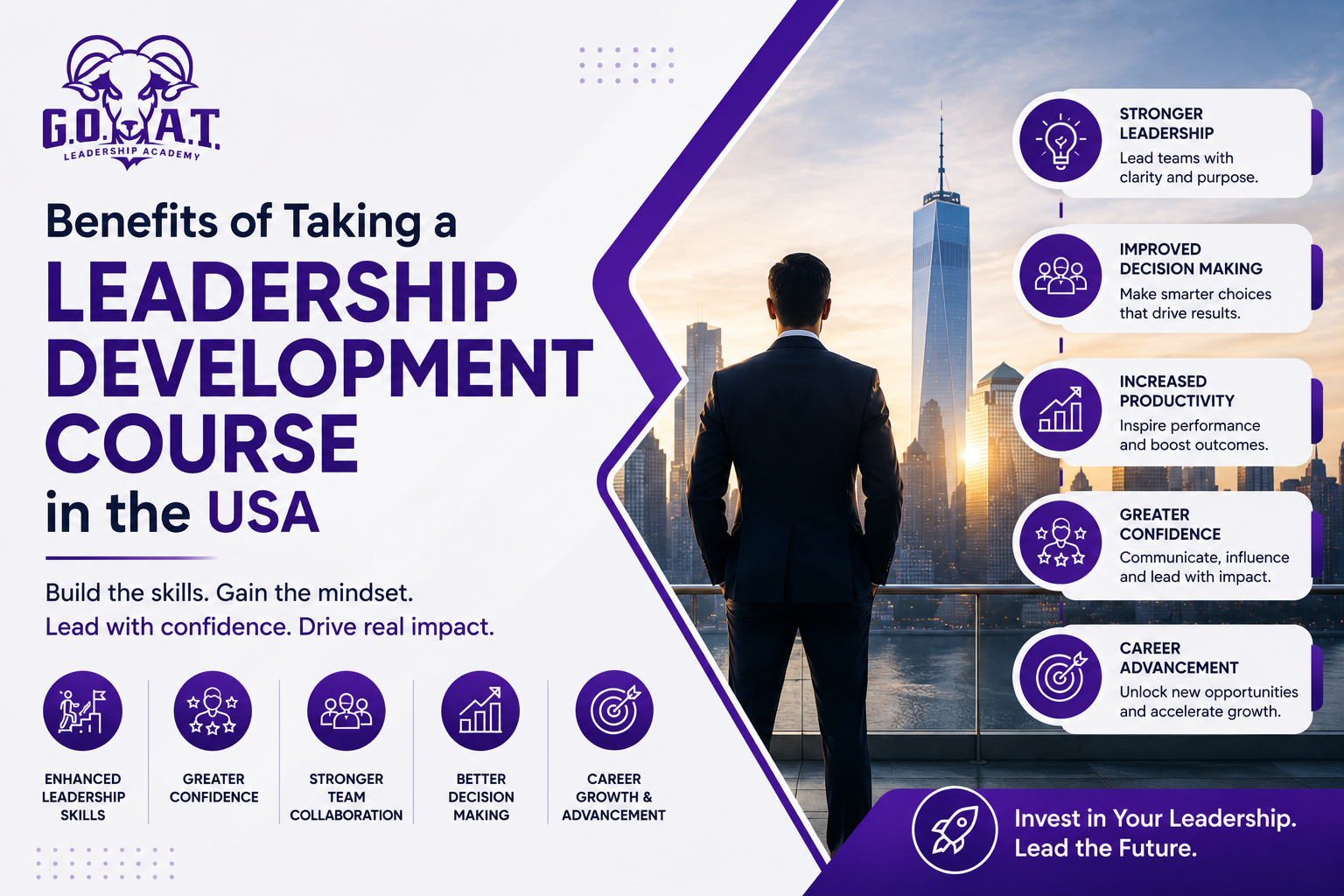
Explore the benefits of taking a leadership development course in the USA to build confidence, improve decision-making, and grow your career.
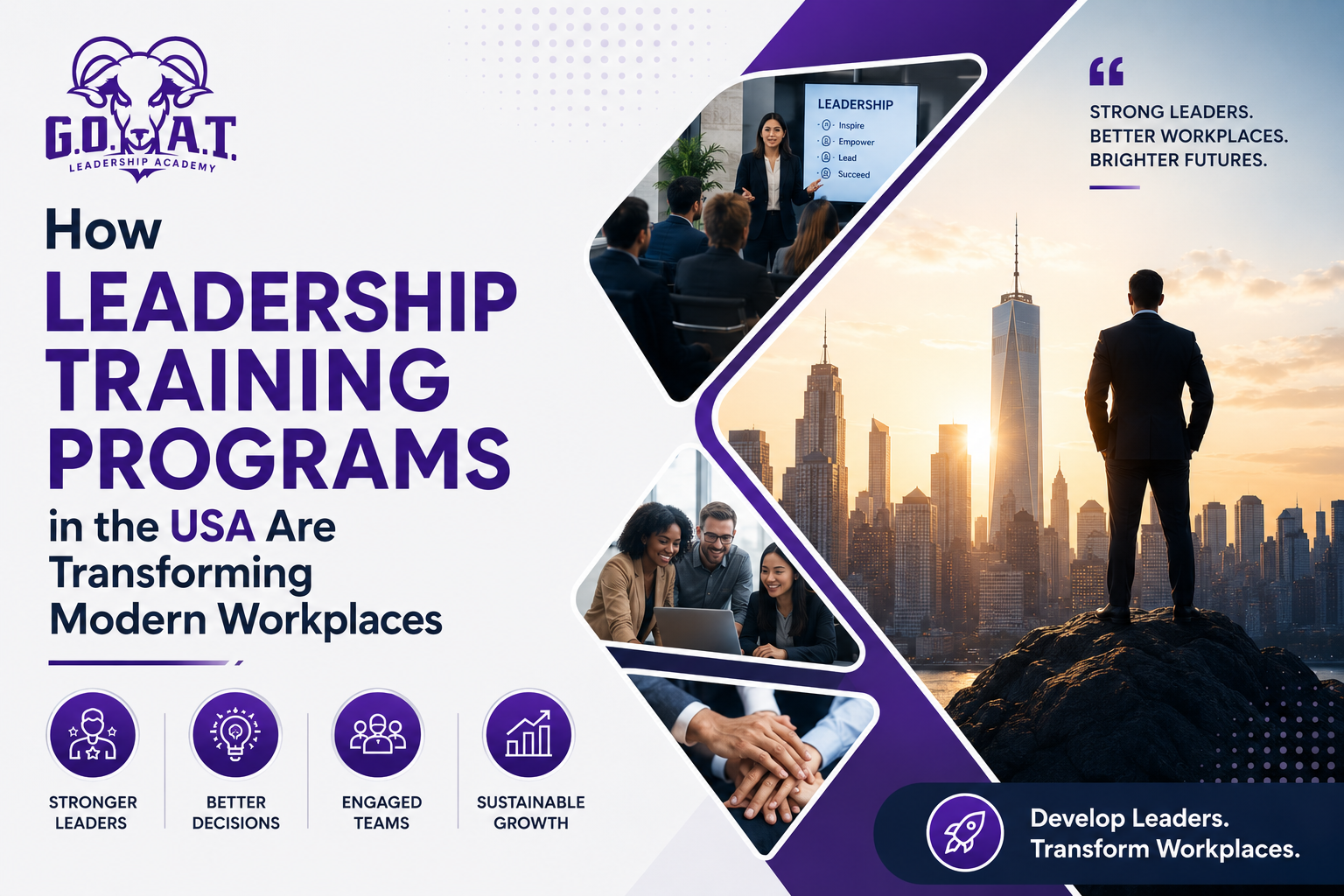
Discover how leadership training programs in the USA are reshaping workplaces through stronger teams, smarter decisions, and growth.