Leadership Training in USA: Preparing Leaders Who Can Thrive in a Changing World
Dr Karen Walker • December 17, 2025
Leadership training in USA has evolved rapidly over the past decade, driven by shifting workforce dynamics, hybrid workplaces, and increasing expectations for inclusive and accountable leadership. Today’s organizations recognise that leadership is not defined by titles but by behaviours, influence, and the ability to create environments where people and ideas can thrive. As a result, leadership training has become a strategic priority for businesses, educational institutions, and non-profit organizations across the country.
At its core, leadership training in USA focuses on equipping individuals with the skills required to navigate complexity — communication, decision-making, emotional intelligence, adaptability, and strategic thinking. These competencies are no longer optional. High-performing leaders must effectively manage diverse teams, address conflict, drive innovation, and build resilience in fast-moving environments.
Dr Karen Walker, Founder & CEO of G.O.A.T. Leadership Academy, describes leadership training as a transformative journey rather than a classroom activity. As she explains, “Leadership training must do more than teach concepts — it must shift mindsets. Real leadership begins when individuals learn to lead themselves.” This perspective reflects a growing industry trend: programs are moving away from generic workshops and toward experiential learning, coaching, and applied leadership challenges.
Modern leadership training in USA
typically includes blended learning formats such as virtual modules, in-person intensives, peer-to-peer learning groups, executive coaching, and real-world project assignments. These approaches ensure participants internalize lessons rather than passively observe them. Organizations that invest in long-term leadership development pipelines see significant benefits: improved team performance, increased employee engagement, reduced turnover, and stronger succession planning.
Another priority in leadership training is inclusivity. Companies are deliberately expanding leadership development opportunities to underrepresented groups to build equitable leadership pipelines. Diverse leaders bring fresh perspectives, challenge status quo thinking, and strengthen organizational culture. Dr Walker often notes, “When leadership reflects the diversity of the people it serves, organizations become more innovative, more compassionate, and more effective.” This principle is shaping how leadership academies, universities, and corporations structure their programs.
Measurement is also central to successful leadership training in USA. Effective programs track behavioural change and performance outcomes through tools such as 360-degree feedback, leadership assessments, and key performance indicators. This data helps organizations refine training content and ensures that the investment translates into meaningful organisational impact.
Technology has also enhanced the reach and effectiveness of leadership training. With the rise of online learning platforms, micro-learning, AI-driven development plans, and virtual coaching rooms, leaders across different states and industries can access high-quality training anytime, anywhere. Yet, as Dr Walker emphasizes, “Technology is an enabler, not a substitute. Leadership grows through human connection, reflection, and accountability.”
In conclusion, leadership training in USA
is a strategic tool for building strong, resilient, and future-ready organizations. It equips individuals with the mindset and skillset needed to lead with clarity, compassion, and confidence. As Dr Karen Walker reminds us, “Leadership is not a position — it is a practice. The more intentionally we develop leaders, the stronger our communities and workplaces become.”
Organizations that prioritize this development are not only preparing individuals for leadership roles; they are investing in long-term organizational success and societal progress.
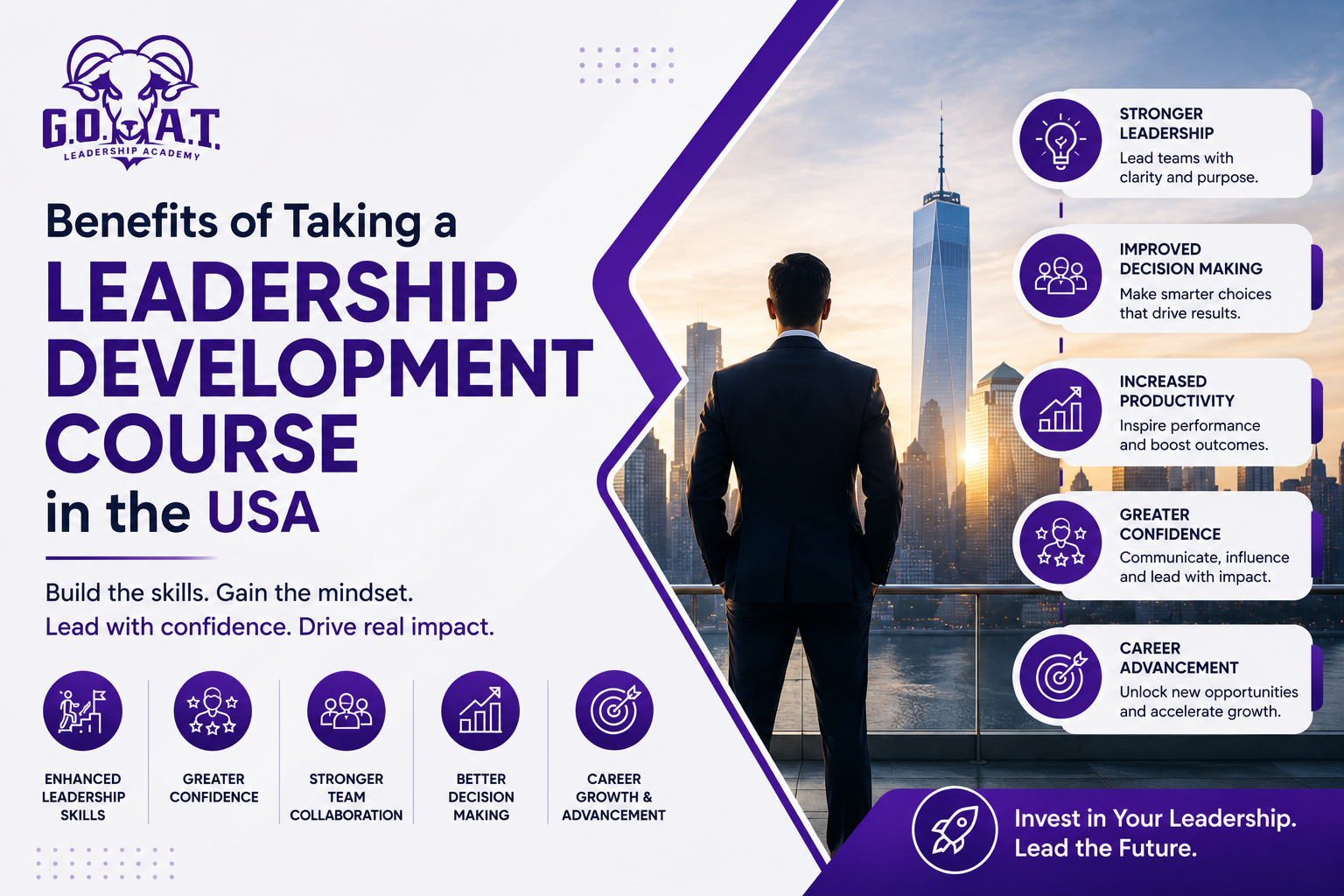
Explore the benefits of taking a leadership development course in the USA to build confidence, improve decision-making, and grow your career.
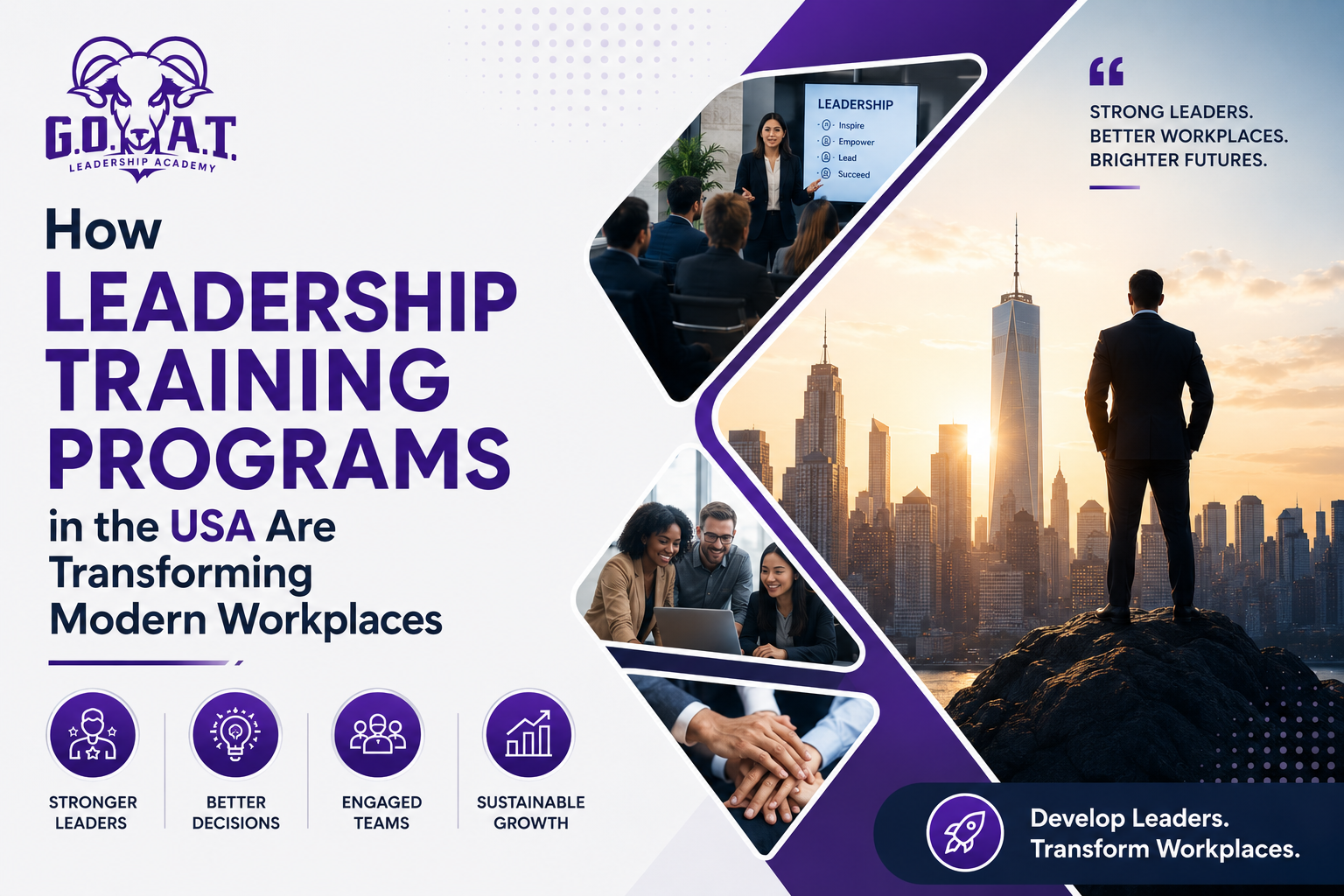
Discover how leadership training programs in the USA are reshaping workplaces through stronger teams, smarter decisions, and growth.